Imagine the Possibilities
A library for the things people put off
A practical learning brand for the jobs people finally feel ready to tackle.
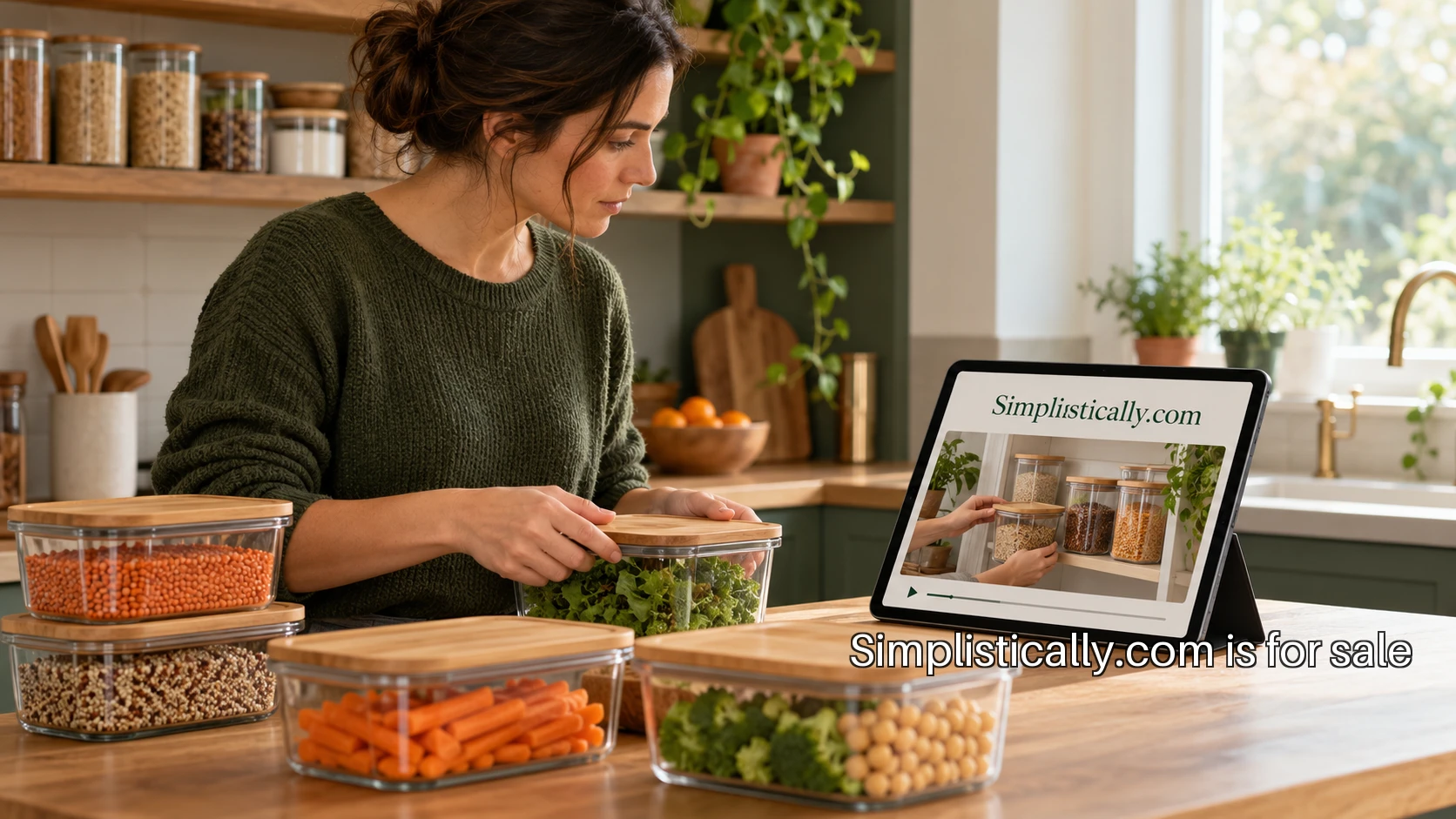
Many useful learning products begin with a task somebody has postponed. The person may already have the information somewhere, but they still do not know what to gather, what to do first or how to tell that they have finished. Simplistically.com could become a practical learning library organized around those moments. The first offer would be a small set of carefully tested guides that help a reader complete a real job at home.
The following is an illustrative publishing concept. Start with home administration rather than a broad promise to teach everything. A guide to preparing a household inventory is a useful example: the reader needs to decide what to record, work through the home, store the result and keep it current. The editorial job is to make that sequence manageable while leaving the reader with a record they can use later.
Choose the finished result
Write the desired outcome before writing a lesson. For the inventory example, the reader finishes with a dated list of selected belongings, relevant photographs and an explanation of where the record is stored. The guide can then work backward from that result. A preparation page names the materials needed. The main steps explain how to move through the rooms. A finishing page helps the reader review gaps and decide when to revisit the record.
The publication would need a precise editorial boundary. It can teach a method for organizing a record without recommending an insurance policy or interpreting someone’s coverage. Where a guide depends on official requirements or a provider’s rules, link to the current primary information and make the relevant decision visible. Keeping the subject narrow allows the first guide to go into useful detail instead of becoming a collection of loosely connected tips.
Test a guide beside the task
Ask a reader to use a draft while doing the job, with permission and without collecting unnecessary private details. Observe where they stop to reread, invent a missing step or open another source. A person who says the guide is clear may still have difficulty using it. The test is whether the instructions help them proceed and recognize completion. GOV.UK’s guidance on understanding user needs is a useful reference for learning from actual tasks rather than assumptions about an audience.
For this inventory guide, a first test might reveal that readers spend too long deciding whether an item deserves its own entry. The next draft could include a worked sample that groups ordinary kitchen items while giving a valuable individual object its own record. Another reader might take photographs but forget which room they belong to. A simple naming example could solve a specific problem that a longer introductory essay would miss.
Build a consistent lesson format
Each guide could open with the finished result, the materials needed and a realistic way to split the work into sessions. Steps would use verbs tied to visible actions. A reader should be able to stop after a section and know where to resume. Optional detail can sit behind a clearly named heading, while decisions affecting the task remain in the main sequence. A printable checklist would support people working away from a screen.
A learning library also needs accessible structure. Headings should describe the task underneath, images should have useful alternatives and downloads should be labeled by format. W3C’s writing tips for accessibility provide a practical starting point for that editorial work. The founder can make those habits part of a guide template and review them alongside accuracy and clarity before publication.
Publish one useful sample
A credible distribution path is a free guide that solves one complete task, shared through a relevant home-organization newsletter or community. The sample should stand on its own. At its end, readers could join an email list for the next tested guide or indicate which related task they want help with. Those responses would be more useful for planning than publishing a large archive before the founder has seen anyone use the material.
The paid offer could be a small membership with a defined publishing cadence and a library of downloadable working sheets. The membership needs a reason to continue: updated guides, a manageable sequence of related tasks and a clear record of revisions. Avoid creating a monthly obligation to publish weak material. A founder could first sell a single collection, learn how readers use it and introduce a subscription only when ongoing value is clear.
Budget for keeping it useful
A guide is an editorial product that needs maintenance. Assign an owner and review date, keep the research links and record changes that alter a step. If a form, website or outside process changes, the guide may need a revision. Readers should have a simple way to report an unclear instruction without sending private household information. A small issue log gives the editor a place to distinguish a factual correction from a request for a future topic.
The founder would need writing, illustration and testing capacity, as well as someone responsible for source checks. Those roles can overlap in a small operation, but the review still needs to happen. The first production schedule should include time to observe a reader, revise the steps and test the new version. That is the work that turns a draft into a guide someone can keep beside the task.
Simplistically.com fits a learning brand that helps people move from postponing a job to knowing how to approach it. The next step is to test one complete guide with a small group of readers and use the observed difficulties to plan the second. If this is the publication you want to build, contact PremiumBrands.com to discuss acquiring the domain.
Interested in Simplistically.com?
Give the next chapter a clear name.
Start a conversation about acquiring the domain.